Dealing with a landlord dispute or eviction can be stressful, especially when you've cleaned the rental, returned the keys, and still haven't received your security deposit. You may be facing silence, a vague explanation, or a list of deductions that doesn't match the condition of the home. Understanding your rights under the Texas Property Code can make the difference between accepting an improper charge and building a practical tenant claim.
This guide explains the three times damages security deposit Texas tenant claim issue in plain English. You'll learn how the 30-day deadline works, why Texas law can presume bad faith, how partial withholding is calculated, what evidence matters in justice court, and how to demand payment before filing a case. If you're also researching the general deadline, this guide on how long a landlord has to return a deposit in Texas provides related information.
When Your Security Deposit Does Not Come Back in Texas
You move out of a Texas rental after cleaning the kitchen, removing your belongings, and returning every key. You provide your forwarding address in writing because you expect the deposit to follow you to your new home. Then the deadline passes. Instead of a refund, you receive either nothing or a short message saying the landlord kept the money for “cleaning” and “repairs.”
That situation can feel personal, but the strongest response usually starts with records rather than an angry exchange. Your lease, move-out photos, key-return confirmation, forwarding-address notice, and every message with the landlord can help show what happened. A landlord also needs to distinguish ordinary wear from damage that justifies a deduction.
Your first question should be practical: What did you surrender, what address did you provide, and what did the landlord send within the legal deadline?
Tenants often assume that a landlord can keep a deposit because the property needed work after move-out. Landlords sometimes assume that any deduction becomes valid if they eventually explain it. Neither assumption tells the whole story. Timing, itemization, the nature of the charge, and the evidence behind it can all matter.
Landlords and property managers also face real risks when they miss the process. A clear move-out system can help prevent disputes, while a tenant who preserves evidence can explain why a charge is wrongful rather than merely contested. For broader housing and property resources, WhatsDemand connects Texas homeowners with information that may help them understand property-related issues, although a security-deposit dispute still requires attention to the Texas lease and applicable law.
The Law Office of Bryan Fagan, PLLC approaches these disputes by focusing on the documents and the timeline. The goal isn't to use complicated legal language. It's to help you understand what Texas law requires, identify the amount in dispute, and choose a sensible next step.
What Texas Property Code Says About Three Times Damages
Texas Property Code Chapter 92 creates two important duties. Under Section 92.103, a landlord must refund the security deposit or provide a written, itemized list of deductions within 30 days after the tenant surrenders the premises. The applicable statutory language and remedy appear in Texas Property Code Section 92.109.
The deadline isn't just an administrative preference. It gives both sides a clear point for evaluating the dispute. If the landlord keeps any part of the deposit, the tenant should be able to see what the landlord claims, why the charge was made, and how the amount relates to the home's condition.
The multiplier in plain language
Section 92.109 addresses a landlord who keeps a residential security deposit in bad faith. The remedy includes:
- A fixed amount: The landlord may owe $100.
- A multiplied amount: The landlord may owe three times the portion of the deposit wrongfully withheld.
- Legal fees: The tenant may recover reasonable attorney's fees in a lawsuit to recover the deposit.
The phrase “portion wrongfully withheld” matters. The calculation doesn't automatically use the entire deposit. It focuses on the part the landlord had no lawful basis to keep. A landlord who returns some money may still face a treble-damages claim for the remaining wrongful portion.
For example, if the wrongful portion is approximately $3,600, three times that amount is $10,800. Adding the statutory $100 produces $10,900, before any reasonable attorney's fees. That's why the potential exposure can exceed the original dispute by a substantial margin.
The statute doesn't turn every disagreement into treble damages. A tenant still needs to show the amount wrongfully withheld and address the landlord's position. The central question is whether the evidence supports a lawful deduction or shows that the landlord retained money in bad faith.
For a focused explanation of the penalty and the statutory presumption, see Texas security deposit bad-faith presumption under Section 92.109.
Required Elements for a Valid Tenant Claim
A tenant claim becomes stronger when the timeline is easy to prove. Texas treats the 30-day deadline as a central control point. After the tenant surrenders the premises and gives a forwarding address, the landlord must return the deposit, less lawful deductions, and provide a written itemized list if any part is withheld. If the landlord doesn't comply, bad faith is presumed under the statute, as explained in the Texas Attorney General's renters' rights guidance.
That presumption doesn't mean every tenant automatically wins. It changes the litigation risk and can make the landlord explain why the retention should not be treated as bad faith. It may also affect the landlord's ability to keep a deduction or pursue the tenant for property damage, depending on the facts and the statutory requirements.
Check each part of the timeline
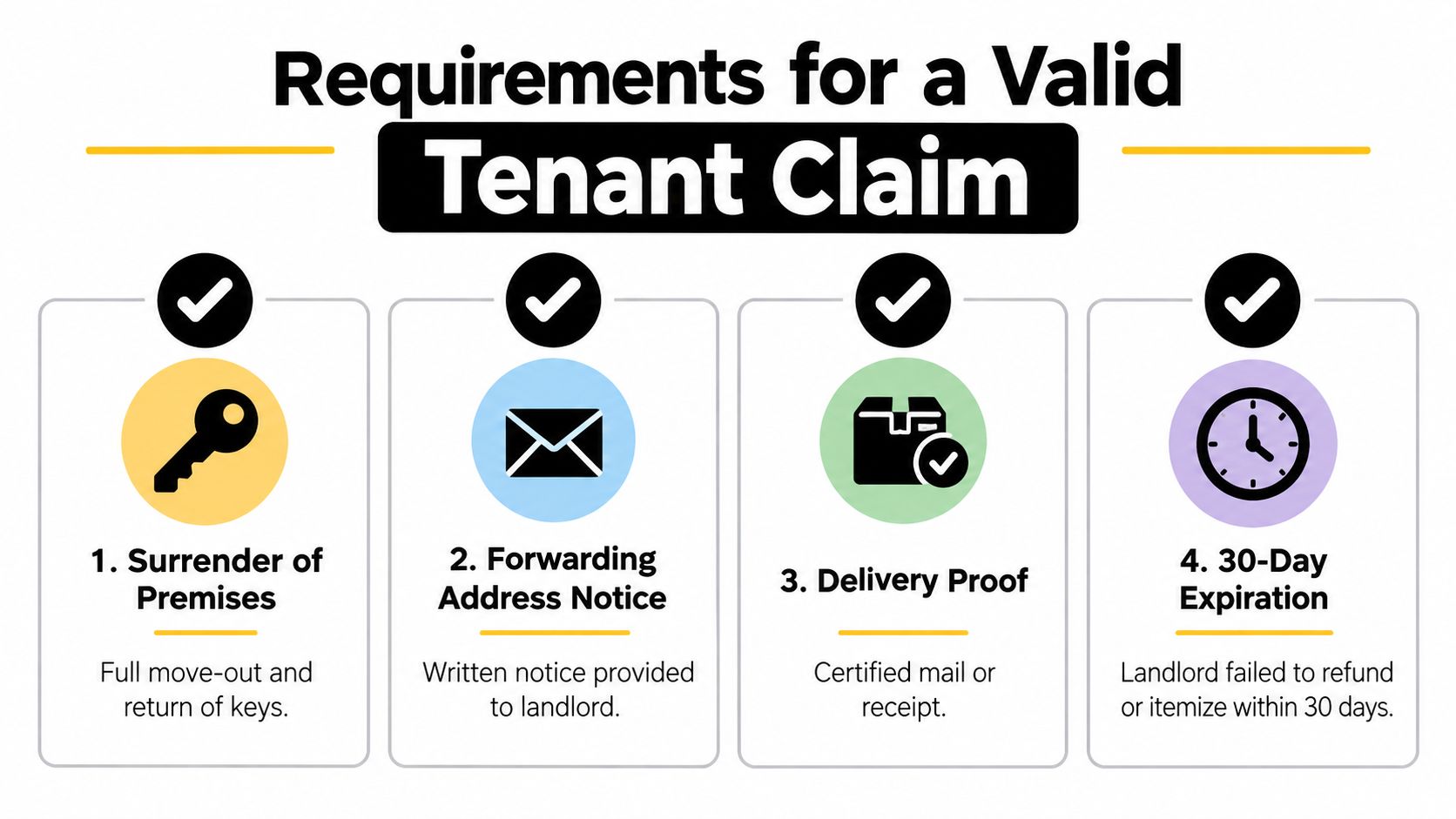
Surrender of the premises means you completed the move-out and gave control of the property back. Your key-return record, email confirming possession ended, or move-out inspection can help establish this date.
Forwarding-address notice should be written and preserved. Use a method that creates a record of delivery, such as a signed receipt or another reliable confirmation. Without proof that the landlord received the address, a dispute can develop over when the obligation to act began.
Return or itemization is the next checkpoint. A landlord who keeps part of the deposit should provide a written list describing the deductions. A vague statement about “repairs” may not answer the practical questions raised by the dispute, especially when the tenant has photos showing ordinary wear.
A missed deadline can trigger the bad-faith presumption. The tenant should preserve the envelope, email timestamp, payment record, or other evidence showing what arrived and when.
The disputed amount also needs careful definition. If the landlord returned most of the deposit but kept money for a questionable cleaning charge, the claim may concern only that withheld portion. Tenants comparing charges with the lease and the property's condition may find What a Landlord Can and Cannot Deduct From a Deposit useful for identifying permitted and impermissible categories.
How to Document and Prove Your Security Deposit Case
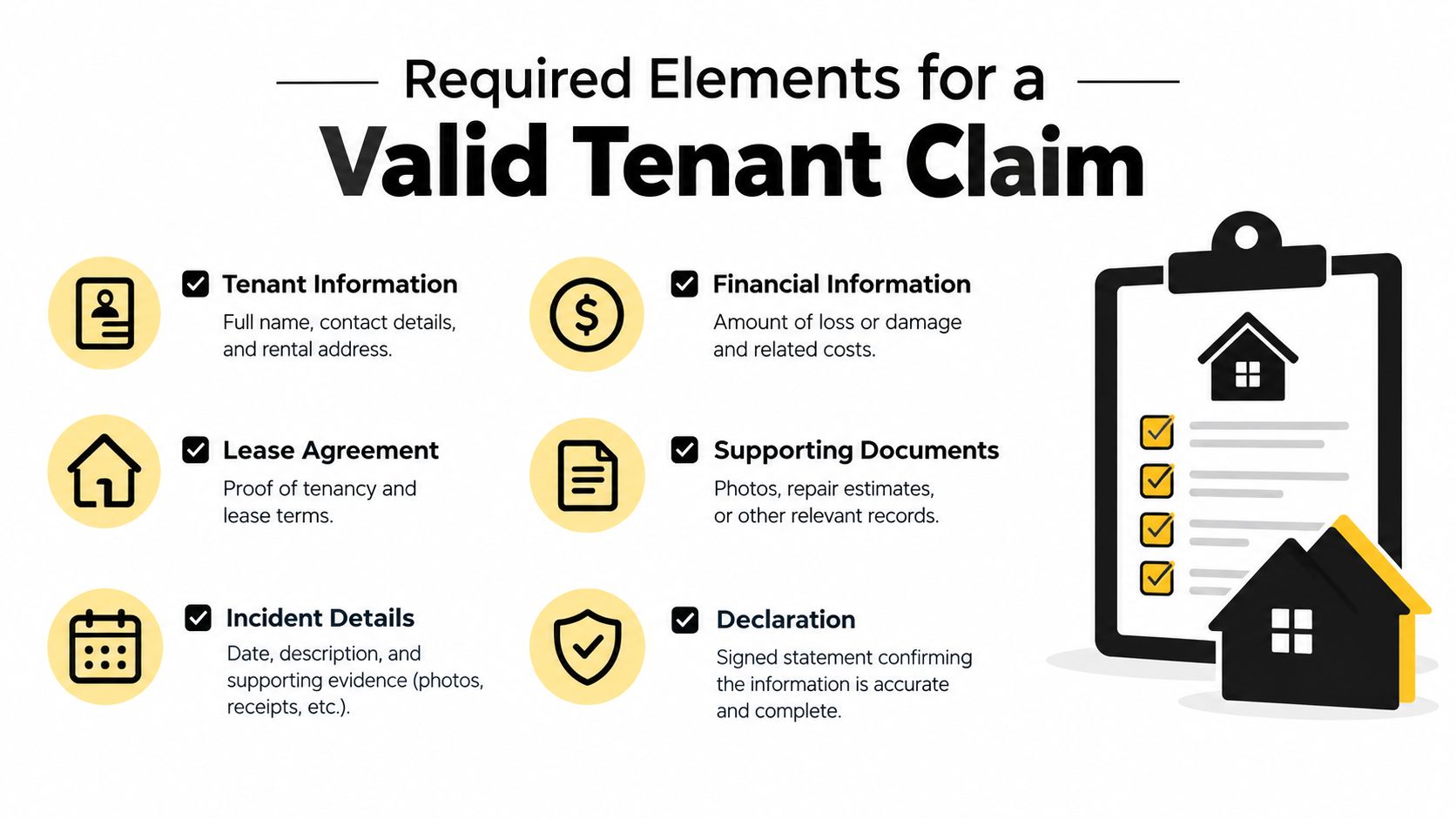
Strong evidence tells the story without requiring you to rely on memory. Start by creating a single folder for the dispute, whether it's digital, paper, or both. Put the lease, deposit receipt, surrender evidence, forwarding-address notice, landlord communications, photographs, inspection notes, and receipts in chronological order.
Build the record from move-out forward
Prove the surrender date. Save the key-return receipt, move-out email, inspection form, or other record showing when you gave possession back.
Prove delivery of your address. Keep a copy of the written forwarding address and the delivery confirmation. A message showing the landlord acknowledged the address can also help establish the record.
Preserve condition evidence. Keep move-in and move-out photos in their original form when possible. Label each image by room and date. A photo of a small scuff has more value when you can compare it with a move-in image showing the same wall.
Separate wear from damage. Normal aging, minor marks, and ordinary deterioration may not support the same deduction as a broken fixture, missing item, or damage beyond normal use. Your lease and inspection records can help define the parties' expectations.
Test every deduction. Ask what work was done, whether the charge is described in the itemization, and whether the amount connects to actual property damage rather than a general turnover cost.

Partial withholding deserves special attention. Texas law ties the potential penalty to the portion of the deposit wrongfully withheld, not necessarily the entire deposit, as explained in the Texas State Law Library's security-deposit guidance. If the landlord returns some money, calculate the disputed remainder and identify why each charge is unsupported.
Small details can affect whether treble damages are realistic in justice court. A cleaning dispute may turn on the lease language, photographs, and whether the claimed work reflects damage or routine turnover. If a collection account or landlord-related debt has also appeared in your records, this Cavalry Portfolio collection account guide may provide general background, but it doesn't replace legal advice about your deposit claim. A focused explanation of written deduction requirements is available through the Texas security deposit itemized deduction rules.
Landlord Defenses and Why They Often Fail
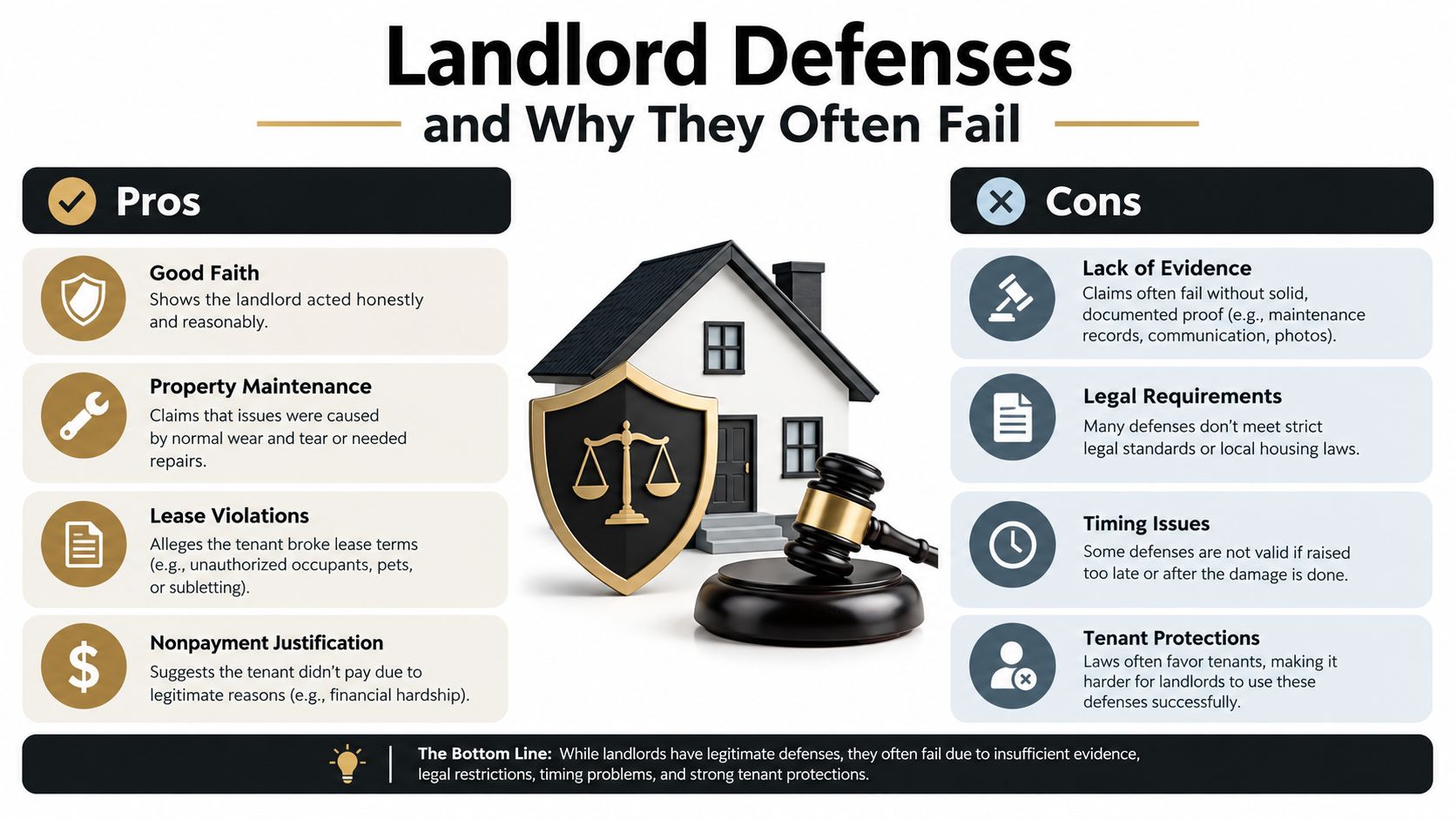
A landlord's defense usually falls into one of two categories. The landlord may argue that the deduction was lawful and supported by the rental's condition, or the landlord may argue that a procedural problem should not control the result. Those arguments don't carry the same weight.
A timely, written itemization describing actual damage beyond ordinary wear gives the landlord a clearer position. Photos, inspection notes, repair records, and lease language can help show that the charge wasn't invented after the dispute began. That doesn't guarantee the deduction is correct, but it creates evidence for a good-faith analysis.
Late or vague paperwork creates a different problem. A landlord who sends a general statement saying “cleaning and repairs” may have difficulty connecting the amount to specific conditions. A landlord who waits beyond the deadline may face the statutory presumption of bad faith, which can make an otherwise ordinary deduction much harder to defend.
Compare the common arguments
| Landlord position | Evidence that may help | Risk or weakness |
|---|---|---|
| The tenant caused property damage | Move-in and move-out photos, inspection notes, repair records | The charge may fail if it reflects ordinary wear or lacks support |
| The tenant left the home unusually dirty | Lease terms, dated photographs, cleaning records | A vague cleaning amount may not show what the tenant allegedly caused |
| The landlord returned part of the deposit | Payment record and detailed itemization | The remaining portion can still be wrongfully withheld |
| The landlord had a reason for sending the notice late | Delivery records and proof of a genuine explanation | The missed deadline can still activate the statutory presumption |
Section 92.109 provides for $100, three times the wrongfully withheld portion, and reasonable attorney's fees when a landlord in bad faith keeps the deposit, according to the statutory text summarized by FindLaw's Texas Property Code resource. The tenant still has to prove the wrongful amount, and the landlord may contest the condition or the calculation.
Landlords researching general categories may review ways a landlord can keep a deposit, but Texas disputes turn on the lease, the actual property condition, the timing, and the available proof. A lawful defense needs more than a label. It needs a documented connection between the tenant's conduct and the amount withheld.
Real World Example and Calculating Your Potential Recovery
A published Texas appellate decision, Robinson v. Bontha, shows how a deposit dispute can become much larger than the original withholding. In that case, the landlord failed to return the deposit or provide an itemized deduction list within 30 days, and the court applied Sections 92.103 and 92.109. The court concluded that the landlord was liable for $100 plus treble damages totaling $10,900, as reported in the Robinson v. Bontha case record.
The underlying wrongfully withheld portion was approximately $3,600. The treble portion was calculated by multiplying that disputed amount by three, producing $10,800. The additional $100 statutory amount brought the total to $10,900, before reasonable attorney's fees.
Treble Damages Calculation Example
| Component | Amount |
|---|---|
| Wrongfully withheld portion | Approximately $3,600 |
| Three times the wrongfully withheld portion | $10,800 |
| Statutory amount | $100 |
| Total before reasonable attorney's fees | $10,900 |
This case doesn't mean every tenant with a missing deposit will receive the same result. The court's outcome depended on the facts, the missed deadline, the applicable statutory provisions, and the amount determined to be wrongfully withheld. It does show that the treble-damages remedy has practical force rather than being a theoretical threat.
For a partial withholding, use the same structure with the amount you can support as wrongful. Suppose a landlord returns part of the deposit but keeps separate amounts for cleaning and a claimed repair. Your claim may focus on the charge that the lease, photographs, inspection records, or itemization fails to support. The disputed amount is not automatically the full original deposit.
A careful calculation should distinguish three figures: the deposit amount, the portion returned, and the portion you contend was wrongfully retained. Then identify the evidence for each deduction. A tenant who wants help assessing permissible charges can review the firm's material on Texas security deposit rules without assuming that every disputed charge qualifies for treble damages.
How to Demand Payment and File Your Claim in Texas
Start with a short written demand. State when you surrendered the property, when you provided your forwarding address, what the landlord returned, and which portion remains disputed. Cite Texas Property Code Sections 92.103 and 92.109, attach key documents, and request payment of the deposit amount and any statutory recovery supported by your facts.
Send the demand in a way that creates delivery evidence. Keep a copy of the letter, attachments, mailing receipt, and any response. If the landlord sends an itemization, compare each line with your lease, photos, inspection records, and proof of actual work.
If the dispute remains unresolved, Texas legal-aid guidance explains that a tenant can sue in small claims court through the Justice of the Peace court in the precinct where the property is located, as described by TexasLawHelp's security-deposit guidance. Bring your lease, deposit records, forwarding-address proof, surrender evidence, photographs, itemization, demand letter, and communications.
A tenant may also seek reasonable attorney's fees when the statutory requirements are met. Because bad-faith presumptions and partial calculations can become fact-specific, consider consulting a Texas landlord tenant lawyer before filing, particularly when the amount is substantial or the landlord has threatened a counterclaim.
Protect Your Rights and Get Help With Your Deposit Claim
Your strongest position comes from a clean timeline and organized evidence. The key questions are whether you surrendered the property, gave a forwarding address, received a refund or proper itemization within the 30-day period, and can identify the part of the deposit that was wrongfully withheld.
For landlords, prompt accounting and clear documentation reduce avoidable exposure. For tenants, photos, delivery records, and a focused demand can turn frustration into a clear claim. The possible $100 statutory amount plus three times the wrongful portion gives Texas tenants meaningful power, but the result still depends on proof and the court's evaluation of bad faith and lawful deductions.
The Law Office of Bryan Fagan, PLLC serves clients in Houston, Dallas-Fort Worth, Austin, San Antonio, and surrounding Texas counties. A consultation can help you evaluate a deposit dispute, eviction concern, lease issue, or response from the other side.
If you need help evaluating a withheld deposit, preparing a demand, or presenting a tenant-rights claim, The Law Office of Bryan Fagan, PLLC offers a free consultation to discuss your documents and options. Schedule your consultation today so you can understand your rights and take the next step with confidence.