Section 92.058 lets a landlord recover one month's rent plus $500 only after giving written notice that the tenant's rent withholding or repair-and-deduct conduct is unlawful and the tenant still proceeds in bad faith. The penalty isn't automatic because a tenant stops paying rent or arranges a repair.
A repair dispute can feel urgent. A tenant may be living with a serious unresolved condition and believe withholding rent is the only way to get attention. A landlord may see a rent deduction as an unauthorized lease violation and immediately threaten eviction or a financial claim. The timing and content of the written warning can matter as much as the underlying repair dispute.
Texas Property Code Section 92.058 is narrow. It focuses on what happens after the landlord warns the tenant that the conduct is illegal and explains the applicable penalties. This guide explains when the one-month-rent-plus-$500 remedy may apply, how repair-and-deduct limits affect the calculation, what evidence matters, and how tenants and landlords can avoid turning a difficult repair problem into a larger legal dispute.
When a Repair Dispute Turns Into a Penalty Risk
Suppose a tenant reports a serious repair problem. The tenant believes the landlord has failed to respond, hires someone to perform work, and subtracts the cost from the next rent payment. The landlord disagrees, treats the deduction as unlawful, and sends a written warning that the tenant can't withhold rent or deduct repair costs in that manner. The tenant then repeats the conduct anyway.
That sequence is where Section 92.058 landlord liability one month rent plus 500 becomes important. The statute gives the landlord a possible civil remedy when the tenant, after receiving the required warning, continues withholding rent, arranging repairs, or deducting repair costs in bad faith. It doesn't create a penalty merely because the parties disagree about whether a repair was needed.
The same dispute can look very different from each side. The tenant may have photographs, unanswered maintenance requests, and invoices showing an effort to protect the property. The landlord may have a lease, a rent ledger, and records showing that the tenant ignored repair procedures. A court would need to examine the notices, the tenant's conduct, and the tenant's state of mind after the warning.
Practical rule: A landlord shouldn't treat the statutory penalty as an automatic late fee, and a tenant shouldn't treat a repair complaint as an automatic right to stop paying rent.
The safest response for both sides is careful documentation. Tenants should preserve repair requests, delivery records, photographs, contractor communications, and receipts. Landlords should preserve the lease, payment history, inspection records, repair communications, and a copy of any warning that explains why the proposed conduct is unlawful.
A Texas landlord-tenant lawyer can help separate a legitimate repair remedy from conduct that creates penalty exposure. That review is especially useful when the property involves subsidized housing, because the calculation may not use the tenant's out-of-pocket rent.
What Texas Property Code Section 92.058 Actually Covers
Section 92.058 sits within Texas Property Code Chapter 92, the part of the code that governs important aspects of residential tenancies. The official Texas Property Code Chapter 92 text includes the repair-and-deduct framework and the landlord remedy for certain tenant conduct. The statutory text has been continuously published in modern code compilations through 2025–2026, according to the cited Texas code reference.
The easiest way to understand Section 92.058 is to view it as a two-stage process.
First comes the written warning
The landlord must first give written notice telling the tenant that the tenant's rent withholding, repair arrangement, or repair-cost deduction is unlawful. The notice must also explain that the subchapter provides penalties. This warning gives the tenant a clear opportunity to stop before the landlord seeks the statutory civil penalty.
Then the tenant must continue in bad faith
If the tenant still withholds rent, arranges repairs, or deducts repair costs in bad faith after receiving the warning, the landlord may pursue a civil penalty equal to one month's rent plus $500. The remedy is designed to discourage improper self-help, not to punish a tenant who made a genuine mistake and promptly corrected it.
This distinction often gets lost in short explanations of the statute. Section 92.058 isn't a general damages provision that applies every time a tenant takes an incorrect position. The landlord still has to prove the statutory requirements, including the warning and bad faith.
For background on how the broader rental relationship fits together, Texas Landlord-Tenant Law: An Overview describes how Texas Property Code Chapters 91 through 94 and Chapter 24 govern residential rental relationships. If you're trying to understand whether a repair deduction is legally available before acting, review whether a tenant can withhold rent for repairs in Texas. The answer depends on the statutory procedure, not on whether the landlord has been slow to respond.
Legal Elements Required to Recover One Month Rent Plus 500
A landlord can't recover the Section 92.058 penalty by making a bare accusation. The landlord must plead and prove the required facts by clear and convincing evidence, including that the proper written notice was given and that the tenant acted in bad faith. The prevailing party in litigation under this provision may also recover reasonable attorney's fees from the nonprevailing party, as reflected in the cited Texas residential-repair materials.
The written notice must come first
The warning is the gateway to the remedy. It should identify the conduct at issue, explain that the conduct is unlawful, and explain that penalties may apply under the applicable subchapter. A vague message such as “stop violating the lease” may not clearly establish what the tenant was warned to stop doing.
The date and delivery method matter. A landlord should be able to show when the tenant received the warning, not merely that someone drafted it. Keep the signed notice, delivery confirmation, email record, portal history, or other reliable evidence.
The tenant must engage in covered conduct
Section 92.058 addresses rent withholding, arranging repairs, and deducting repair costs. The landlord should identify exactly what happened. For example, was the tenant's payment short because of a contractor invoice, or did the tenant refuse to pay the full rent without arranging repairs? Precision helps the court distinguish a covered action from an ordinary payment dispute.
The conduct must occur after the warning
A tenant's conduct before the warning may be relevant background, but the statutory trigger focuses on what the tenant does after receiving notice. This is why a landlord who waits until after the tenant has already withheld rent may have difficulty relying on Section 92.058 for that earlier act.
The tenant must act in bad faith
Bad faith involves more than being wrong. The landlord must show that the tenant proceeded unfairly, or with improper intent after being warned. Evidence might include repeated deductions despite a clear warning, inconsistent explanations, or conduct showing that the tenant was using the repair issue as a pretext to avoid rent.
A good-faith disagreement can create a defense. A tenant may have believed the repair procedure was available, relied on communications from management, or misunderstood a complicated statutory requirement. Those facts don't guarantee a result, but they can matter when the landlord must prove bad faith by clear and convincing evidence.
Evidence matters more than labels. Calling conduct “bad faith” doesn't prove bad faith. The landlord needs a documented timeline that connects the warning to the later conduct.
How Repair and Deduct Limits Interact With the Penalty
Texas law separates two questions that readers often combine. First, how much may a tenant deduct when a statutory repair-and-deduct remedy is available? Second, when may a landlord seek the Section 92.058 penalty because the tenant proceeded unlawfully and in bad faith after notice?
The repair-and-deduct amount is limited to the greater of one month's rent or $500, as described by the Texas State Law Library's repair guidance. That ceiling isn't the same as permission to deduct automatically. A tenant must still qualify for the remedy and follow the required process.
If the tenant acts in bad faith after the landlord gives the required warning, the landlord may seek one month's rent plus $500 under Section 92.058. The deduction ceiling and the penalty therefore use related lease economics, but they serve different purposes. One limits a potentially lawful tenant remedy. The other deters improper conduct after notice.
| Situation | What Texas Law Allows | Penalty Risk Under 92.058 |
|---|---|---|
| Tenant has a repair concern but hasn't satisfied the statutory process | The tenant shouldn't assume a deduction is available merely because a repair is needed. | Risk may arise if the tenant withholds rent or deducts costs after receiving the required warning and then acts in bad faith. |
| Tenant qualifies for repair-and-deduct and follows the required procedure | The deduction is limited to the greater of one month's rent or $500. | Proper statutory conduct isn't the same as bad-faith conduct. |
| Tenant continues withholding rent or deducting costs after a written warning | The tenant may be outside the protected repair remedy. | The landlord may seek one month's rent plus $500 if bad faith is proven. |
The calculation becomes more complicated in subsidized housing. When rent is government-subsidized, the benchmark changes from the tenant's actual out-of-pocket rent to fair market rent, according to the cited Texas landlord-tenant guidance. That means a low-income tenant's personal payment may not be the figure used for the statutory ceiling or penalty analysis.
This subsidized-housing issue is frequently overlooked. Landlords should verify the correct rent measure before demanding or pleading a specific amount. Tenants should avoid assuming that a small personal rent contribution automatically limits the exposure to that same amount. For detailed discussion of the deduction ceiling, see Texas Property Code Section 92.0561 and the repair-and-deduct dollar limit.
How to Document and Pursue a Claim Under Section 92.058
A strong claim begins with a clean timeline. The landlord should collect the lease, rent ledger, maintenance communications, repair invoices, inspection records, and every version of the written warning. The tenant should build a parallel file with repair requests, photographs, receipts, payment records, contractor information, and messages showing why the tenant believed the action was permitted.
Build the timeline before sending a demand
Start with the date of the repair complaint. Add the landlord's response, any missed or attempted repairs, the tenant's payment or deduction, the date the warning was delivered, and the tenant's conduct afterward. Avoid relying on memory when a text message, portal entry, email, receipt, or photograph can establish the event more reliably.
The written warning should be specific. It should identify the rent withholding or repair conduct, explain why the landlord contends it violates the law, and describe the penalties that may apply. A landlord should not use a threatening tone as a substitute for accurate content.
Preserve proof of bad faith and delivery
A landlord's evidence should show both notice and continued conduct. Useful records may include:
- Delivery proof: Keep certified-mail records, delivery confirmations, email records, or portal logs showing when the warning reached the tenant.
- Payment history: Preserve the ledger showing the amount due, the amount received, and the reason for any short payment.
- Repair records: Keep work orders, contractor invoices, photographs, and communications about access or scheduling.
- Tenant explanations: Save messages in which the tenant explains why rent was withheld or costs were deducted.
- Property records: Maintain inspection notes and records showing whether the landlord responded to the underlying repair issue.
Tenants should document their own good-faith position. Keep copies of notices, evidence that the problem existed, contractor communications, and proof that you tried to follow the lease and statutory process. A tenant who receives a Section 92.058 warning shouldn't delete messages or respond impulsively.
Choose the next procedure carefully
After reviewing the file, a landlord may send a demand for payment or discuss a resolution. The choice of court depends on the amount sought and the procedural posture. A tenant facing an eviction should treat the eviction case and any Section 92.058 claim as related but distinct issues, and should respond to court papers by the stated deadline.
Don't assume that filing a demand automatically creates liability. The landlord still must prove the statutory elements. Also, don't wait until a hearing to assemble the file. The clear-and-convincing-evidence standard makes organized records especially important.
For practical guidance on preserving records, review tenant documentation for a Texas eviction defense. Both sides should seek legal advice promptly, particularly where subsidized housing, disputed delivery, or a pending eviction is involved.
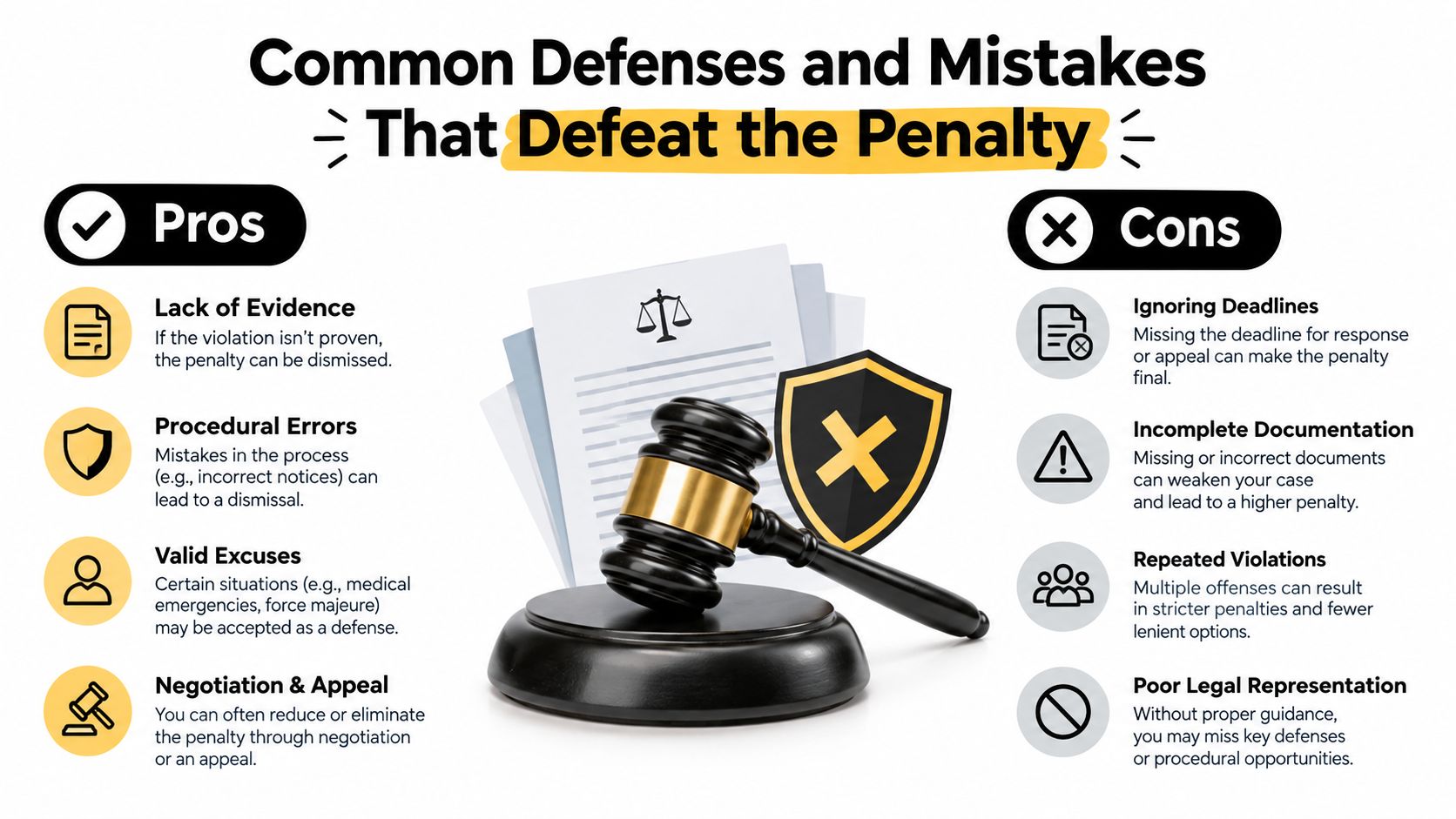
Common Defenses and Mistakes That Defeat the Penalty
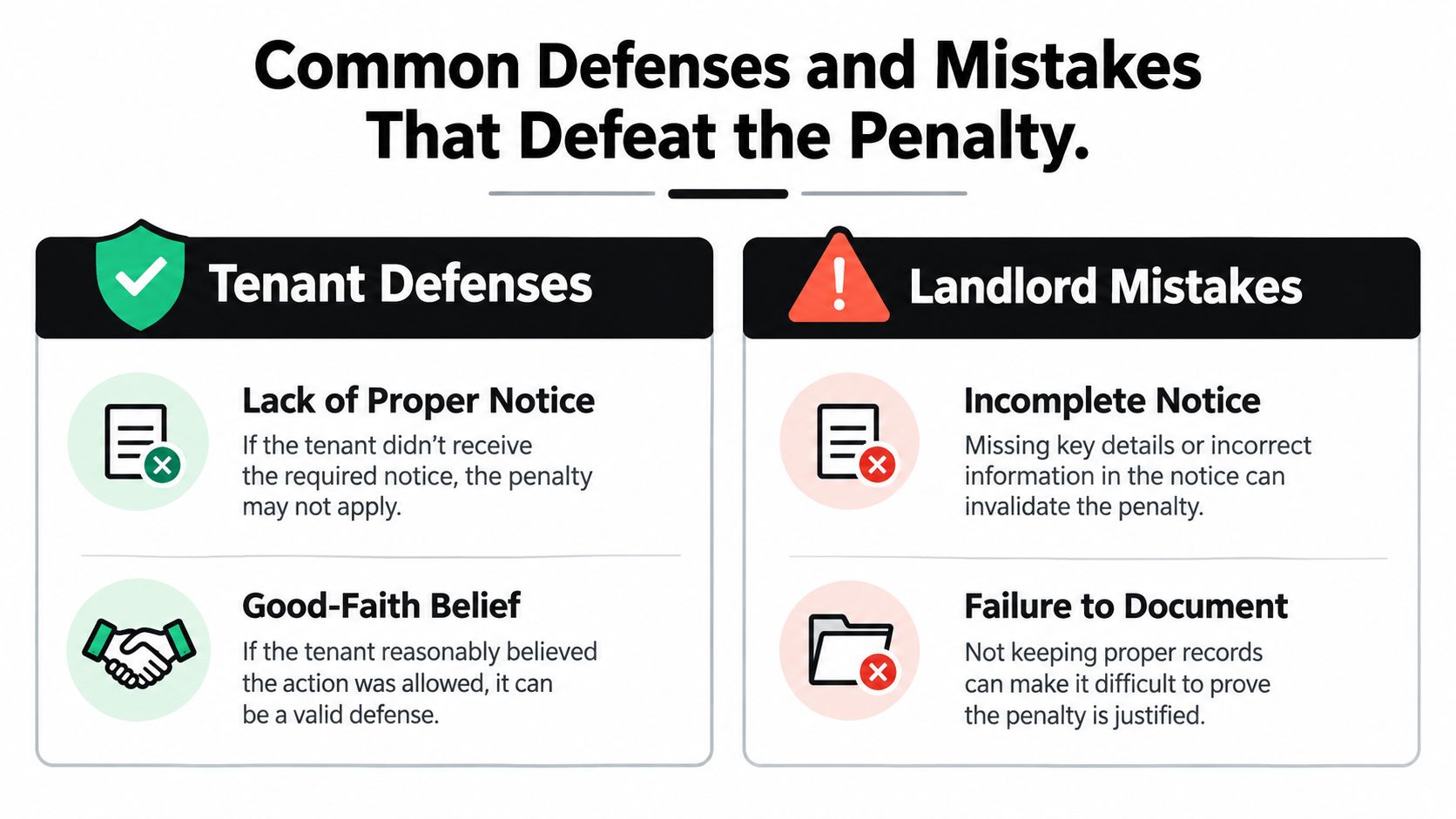
The most common misunderstanding is that a landlord can recover one month's rent plus $500 because a tenant withheld rent. Section 92.058 requires more. The landlord must establish the required written warning and prove that the tenant continued with covered conduct in bad faith.
A tenant may challenge the claim by showing that the warning never arrived, didn't explain the alleged illegality, or failed to explain that penalties could apply. The tenant may also argue that the disputed conduct happened before the warning, which attacks the required sequence.
Tenant defenses focus on notice and intent
A tenant's good-faith belief can matter. For example, the tenant may have relied on a landlord's written instruction, misunderstood which repair procedure applied, or believed the landlord had authorized the contractor. Evidence of repair requests, cooperative communications, and an effort to resolve the problem can undermine an allegation of bad faith.
A tenant may also have a broader defense connected to the underlying repair dispute. The landlord's failure to address a serious condition could help explain why the tenant believed a remedy was available, although it doesn't automatically authorize withholding rent. The tenant should ask a Texas landlord tenant lawyer to review the lease, notices, and repair facts before taking further action.
Landlord mistakes can eliminate the remedy
Landlords often weaken their own claim by:
- Skipping the warning: A demand for rent without the statutory explanation may not satisfy Section 92.058.
- Using vague language: The tenant needs to understand which conduct is alleged to be unlawful.
- Failing to prove delivery: A drafted letter isn't enough if the landlord can't show it reached the tenant.
- Relying on conclusions: “Bad faith” is a legal conclusion. The evidence must show what the tenant did and why the conduct supports that conclusion.
- Using the wrong rent measure: Subsidized housing requires attention to fair market rent rather than the tenant's out-of-pocket payment.
The subsidized-housing calculation deserves special care. The statutory benchmark can change to fair market rent, which may produce a different result from a calculation based only on what the tenant personally pays. Because this issue affects both the deduction ceiling and potential exposure, parties shouldn't rely on a simplified online formula.
Protect Your Rights and Next Steps for Texas Tenants and Landlords
Tenants who receive a Section 92.058 warning should pause before withholding rent, arranging another repair, or deducting a contractor's bill. Keep the notice, preserve evidence of the repair condition, and obtain legal review before taking further action. A tenant may have rights, but the correct remedy depends on following the applicable Texas Property Code procedure.
Landlords should confirm that the written warning is complete, prove delivery, preserve the rent ledger, and document the tenant's conduct after notice. Before filing, evaluate whether the evidence supports bad faith and whether the correct rent measure applies in subsidized housing. A demand that overstates the law can make settlement harder and weaken credibility.
A Texas landlord tenant lawyer or eviction attorney can help review leases, repair disputes, payment records, and eviction-related documents. The Law Office of Bryan Fagan, PLLC offers free 30-minute consultations for tenants and landlords dealing with repairs, lease disputes, and enforcement questions across Houston, Dallas-Fort Worth, Austin, San Antonio, and surrounding Texas communities.
If you need help evaluating a Section 92.058 warning, repair-and-deduct issue, lease dispute, or related eviction, The Law Office of Bryan Fagan, PLLC can review the documents, explain your rights, and help you choose a practical next step during a free consultation. Contact the firm before withholding rent, demanding the penalty, or filing a court claim so your strategy is based on the actual notice and evidence.