Dealing with bed bugs apartment tenant rights Texas issues can feel overwhelming fast. You notice bites after sleeping in your unit, or you see a live bug on the mattress seam, and then the questions start piling up, should you call the landlord, bag up everything you own, or move out before the problem spreads? The stress is real, but Texas law does not leave you guessing.
The basic rule is simple. Once you give written notice the right way, the Texas Property Code gives your landlord a path to repair, and it gives you a path to act if the landlord does not respond. In bed bug cases, that path matters because delay can turn one apartment problem into a larger housing problem, and a small documentation mistake can weaken your rights later.
What follows is a step-by-step walk through the rules, the tenant-side recordkeeping that protects you, and the remedies that may be available if your landlord drags their feet.
When Bed Bugs Show Up in a Texas Apartment
A tenant in a Houston apartment wakes up with itchy bites on both arms. At first, she assumes it's mosquito season or an allergic reaction. Then she lifts the fitted sheet and sees a small brown insect near the mattress seam. Her first instinct is to panic, throw everything in the hallway, and text the office manager.
That panic is common, and so is the feeling of embarrassment. Bed bugs carry stigma, but Texas law treats the issue as a housing repair problem, not as a reason to shame the renter. You do not have to figure it out alone, and you do not have to guess what your rights are.
Practical rule: Document first, notify in writing, and keep rent current while the repair process moves forward.
The law does not ask you to solve the infestation by yourself. Instead, it puts the issue into a structured process under the Texas Property Code, so the landlord gets notice and a chance to act, and you keep a record if they do not. That framework matters because the clock starts with written, dated notice, not with a casual hallway conversation or a fast text.
A tenant often wonders whether they should throw away the mattress, sleep somewhere else, or move out immediately. Those are emotional reactions, and sometimes they make sense from a safety or comfort standpoint, but they do not replace the legal steps that preserve your claims. If the landlord ignores the problem, the law can support remedies in justice court, including a court order, reimbursement of expenses, and a rent offset or refund, but only if you handle the notice process correctly.
If you are already searching for a Texas landlord tenant lawyer, keep reading before you take a self-help step that could complicate the case.
What the Texas Property Code Says About Bed Bugs
Texas landlord-repair law sits in Property Code Chapter 92, and that chapter is the backbone for bed bug disputes in apartments. In plain English, if a condition in the unit materially affects health or safety, the landlord has a duty to make a diligent repair effort after proper notice. The same framework is what turns a bed bug complaint from a frustrated conversation into a legal repair request.
The most important timing rule is the seven-day presumption. Texas tenant-rights guidance says a landlord usually has about seven days after receiving a tenant's written, dated notice to address a bed bug infestation, and the Texas Attorney General's renters' rights guidance says tenants must keep rent current and send notice by certified or registered mail to preserve repair remedies. That seven-day rule is not a magic deadline in every situation, but it is the clearest starting point for whether the landlord acted within a reasonable time. See the state guidance on a bed bug tenant claim at Texas tenant-rights guidance on bed bugs and the Attorney General's renters' rights page for the repair timeline and notice method.
A proper notice should be in writing, should be dated, and should clearly describe the problem. If you are the tenant, that means naming the apartment, the signs you saw, and the date you first noticed the infestation. If you are the landlord, that means treating a precise written report differently from a vague verbal complaint, because Chapter 92 rights depend on the paper trail.
A text message can help prove you complained, but certified or registered mail is the safer move when you want Chapter 92 remedies later.
The state legal FAQs describe the escalation path under Chapter 92, send notice, wait the presumed reasonable time of seven days, then send a second written notice if the issue remains, and if the landlord still does not act, the tenant may pursue repair-and-deduct, lease termination, or a lawsuit for damages. You can read that explanation in the Texas State Law Library's landlord-repair FAQ at Texas Property Code Chapter 92 tenant rights. That same Chapter 92 structure is also why security deposit issues often show up after a move-out, so it helps to know the broader rules from Security Deposit Rules in Texas and how the 30-day return rule fits into Chapter 92 practice.
Landlord Duties Once a Tenant Reports Bed Bugs
Once a landlord gets proper written notice, the job is not just to send a quick reply and hope the issue goes away. The landlord should first decide whether the report is credible, then arrange an inspection, then move to treatment if the infestation is confirmed, and then verify whether the treatment worked. In an apartment setting, that response has to be documented, because bed bugs can affect more than one unit and the paper trail may decide whether the landlord met their duty.
Inspection and treatment should be specific
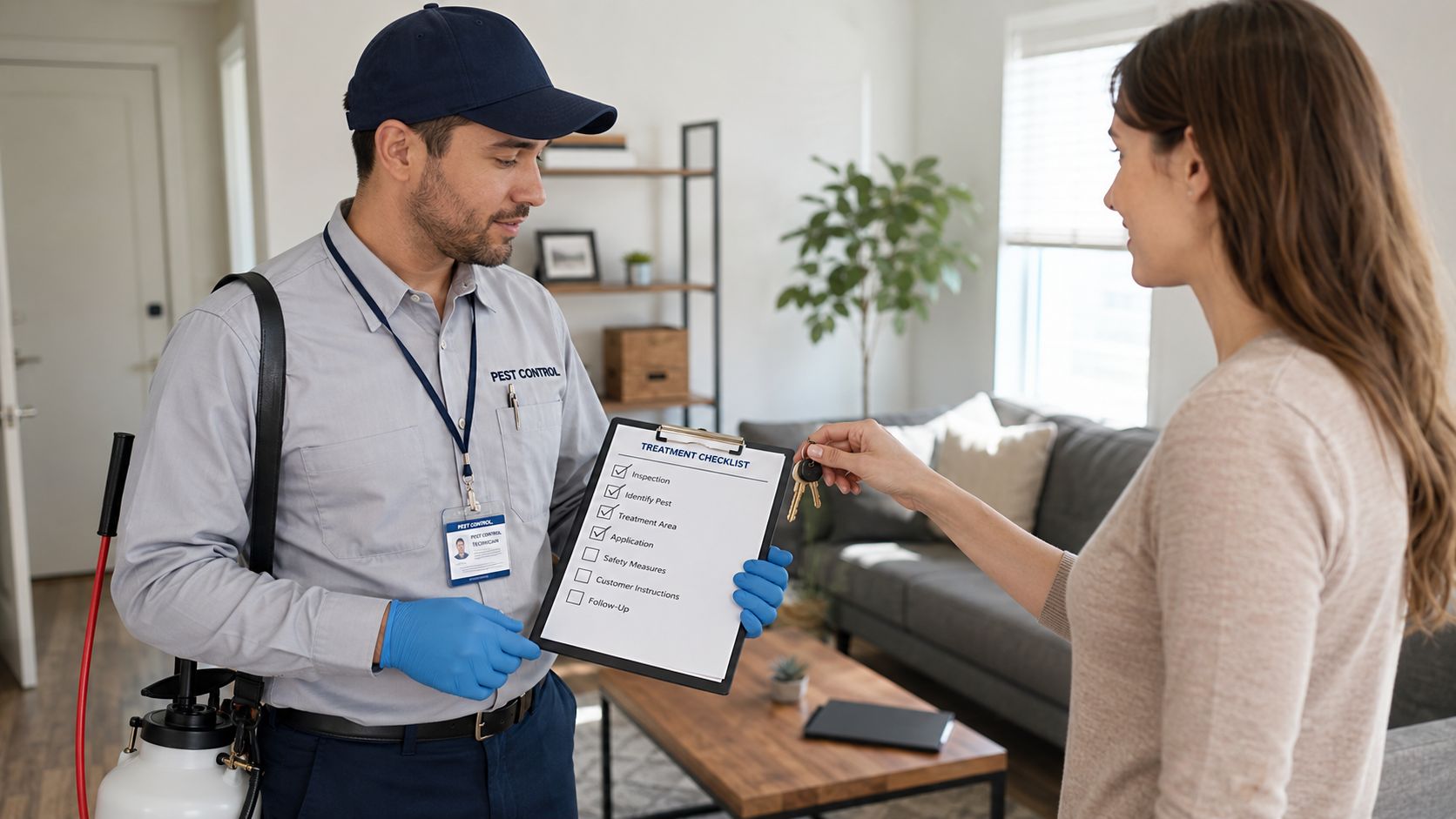
A serious response usually starts with a professional inspection by a licensed pest control operator. If bed bugs are confirmed, the landlord should treat the affected unit and, when needed, nearby units, because apartments share walls, plumbing, and hallways. Even if the infestation started in a neighboring unit, the duty to address the problem still exists, because your leasehold should not stay infested just because the bugs arrived from next door.
Tenants should ask for the treatment plan in writing. A good written response should identify the scope of work, the treatment method, any retreatment schedule, and the steps the tenant needs to take before treatment. If the landlord says a technician is coming, the tenant should keep the appointment notice, the inspection result, and any instructions about laundry, bagging items, or access.
Access and communication matter
The landlord also needs access to the unit to inspect and treat, and tenants should not block that access after proper notice is given. Texas law and apartment practice both work best when communication stays orderly, because bed bug treatment often requires cooperation from the tenant and follow-up from the property manager. For a quick read on entry issues that sometimes come up during treatment, the firm's overview of landlord entry without notice in Texas is a useful companion topic.
If the landlord blames the tenant without inspecting nearby units or confirming the source, the response is often too thin to solve a multi-unit infestation.
Keep your own records of every visit, every phone call, and every email. If the landlord promises treatment but never confirms the schedule, that gap can matter later in justice court.
Two Bed Bug Scenarios and How Texas Law Treats Them
A Houston tenant notices bites, emails the landlord the same day, then follows up with certified-mail notice. She takes dated photos of the mattress seam, keeps receipts for laundering clothes, and buys a mattress encasement while waiting for treatment. Within weeks, the landlord arranges a professional treatment and a follow-up inspection. She preserved her remedies because she did the small things that Texas repair law values, written notice, mailing proof, photos, and receipts.
A Dallas tenant handles it differently. He texts the office, gets no meaningful reply, and never sends formal written notice. Frustrated, he withholds rent. The landlord then files an eviction, and the tenant's negotiating power drops because the repair-and-remedy path under Chapter 92 was never properly started. He may still have arguments, but he made it much harder to use the structured remedies that depend on proper notice and current rent.
The lesson is not that one tenant suffered more. The lesson is that the legal result often turns on process, not just on how bad the infestation felt.
| Texas Tenant Remedies for Untreated Bed Bug Infestations | What the Tenant Must Show | What the Tenant Can Recover |
|---|---|---|
| Repair-and-deduct | Proper written notice, the seven-day repair window passed, and the landlord still did not act | The cost of professional treatment, subject to the statutory limits that apply |
| Lease termination | The infestation is serious enough that the unit is not fit to stay in | The right to move out without penalty |
| Rent refund or offset | Rent was paid during the period the unit was not habitable and the landlord failed to act | A court-ordered refund or offset of rent |
| Justice court lawsuit | The landlord ignored the repair duty after notice and the tenant can prove the loss | Reimbursement of treatment costs, moving expenses, damaged property, and an order requiring action |
The state repair framework is the same one tenants use in other habitability disputes, including mold issues discussed in tenant rights for mold in Texas apartments. The point is simple. If you want the law to help, use the law's process.
What Tenants Should Do After Discovering Bed Bugs
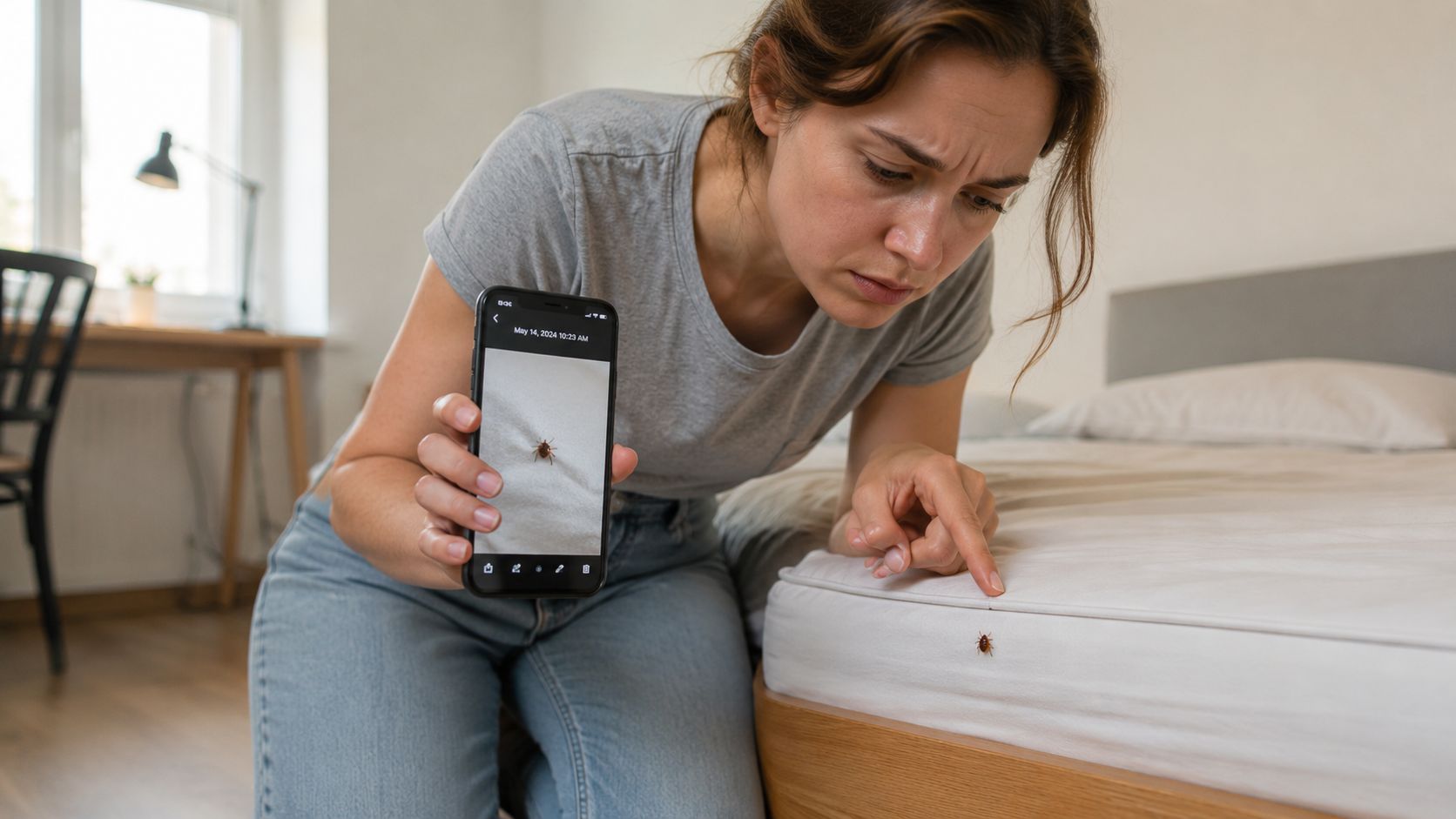
Start with evidence. Take clear photos of the bites, the bedding, the mattress seams, the bugs themselves, and anything else that shows the problem is real. Use your phone's date stamp or save the images in a folder that preserves the timeline, because your proof matters later if you end up in justice court.
Do the practical containment steps early
Keep the infestation from spreading while you wait for treatment. Don't move bags, clothes, or furniture into another room unless you have to, because moving belongings can carry bugs with them. Wash and dry clothing and bedding on high heat, pull the mattress and box spring away from the wall, and write down when the bites started, when you traveled, and whether you stayed in a hotel or visited another place that could explain the exposure.
Then send written notice. A short notice can work if it is specific, dated, and sent the right way. You might write something like this, “I am notifying you in writing that I found signs of bed bugs in apartment 4B on March 12. Please inspect and arrange treatment right away. I am keeping my rent current and request a written response with the inspection and treatment schedule.”
Certified or registered mail is stronger than text messages for preserving Chapter 92 remedies, and that detail comes straight from the Texas Attorney General's renters' rights guidance. If the problem continues after notice, the tenant may need a second written notice before pursuing remedies, so keep copies of both letters and the mailing receipts. If the apartment management still does nothing, local code enforcement or a health department can sometimes help create more documentation for your file.
Practical rule: If you plan to claim repair-and-deduct, lease termination, or a court remedy, your photos, mailing receipts, and repair notes are part of the case, not just background noise.
One more caution. Don't stop paying rent just because you're angry. Texas repair law expects tenants to stay current on rent while they preserve their remedies.
Prevention, Lease Clauses, and Warning Signs to Watch
The strongest bed bug case starts before the first bite. During move-in, take a dated, itemized condition report and keep it with your lease, because a pre-existing infestation or an already-damaged unit is easier to prove when the paperwork starts on day one. That kind of record also helps if the landlord later says the issue was your fault without ever inspecting the unit.
Some lease clauses deserve a close look. A lease might try to push all pest control costs to the tenant no matter what caused the infestation, require a specific exterminator, or restrict a tenant from reporting problems to authorities. Those provisions do not automatically erase your rights, but they can create confusion if you do not read them carefully, and that confusion is exactly where disputes grow.
If you want a plain-language overview of how the rental relationship fits together under Texas law, Texas Landlord-Tenant Law, An Overview explains how Property Code Chapters 91-94 and Chapter 24 fit into the bigger picture. For non-legal prevention ideas, a practical bed bug prevention resource can also help you think through clutter control and early detection habits.
A few warning signs mean it's time to stop handling the problem alone. If the landlord sends a notice to vacate after your complaint, refuses access for treatment, or blames you without inspecting neighboring units, the dispute may be moving into retaliation or repair-law territory. That is when a Texas landlord tenant lawyer can help you preserve the evidence and choose the right next step.
Talk to a Texas Tenant Rights Lawyer Before the Problem Gets Worse
If you suspect bed bugs, protect your position in the same order every time, document the problem, send proper written notice, keep rent current, and follow the Chapter 92 escalation path if the landlord does not act within the seven-day window. Bed bug disputes are often very documentable when tenants keep photos, mailing proof, and repair records organized from the start.
If you want help sorting out your notice, your lease, or a possible justice court case, you can also review related guidance on landlord entry and other tenant-rights topics before you act. A calm review now can prevent a bigger housing dispute later.
If you need help with an eviction, lease issue, or rental dispute, contact The Law Office of Bryan Fagan, PLLC for a free consultation today.
The Law Office of Bryan Fagan, PLLC helps Texans handle bed bug disputes, repair notices, eviction threats, and other rental problems with clear legal guidance and practical next steps. If you want to protect your housing rights and understand your options under the Texas Property Code, visit The Law Office of Bryan Fagan, PLLC to schedule a free consultation.